WHY MAKE IT
A little comfort, a lot of flavor.
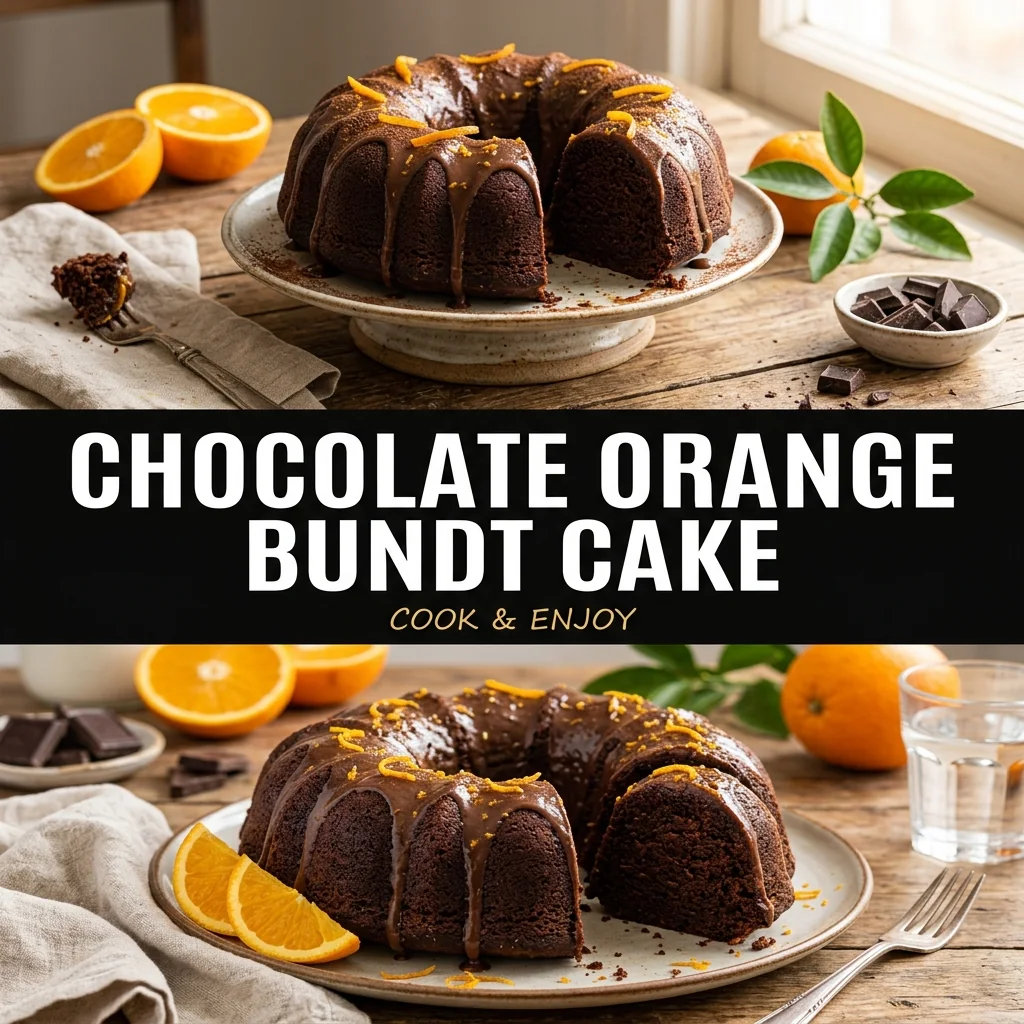
Bundt cakes possess an enduring appeal, offering architectural elegance alongside deeply comforting flavors. This chocolate orange version pairs the deep, earthy richness of Dutch-process cocoa with the vibrant, aromatic oils locked inside fresh orange zest. Combining citrus juice directly into the wet ingredients brings a gentle acidity that balances the richness of the butter and sugar while softening the flour's gluten structure. The crumb remains tight, plush, and distinctly moist for days. Finished with a satin ganache that cascades down the fluted ridges, this cake serves as an impressive centerpiece for afternoon gatherings, holidays, or celebratory dinners, providing a classic flavor harmony that never feels dated or excessively sweet.
Selecting Cocoa and Citrus
Dutch-process cocoa powder is essential for this recipe because its alkalized nature yields a darker color and a smoother, less acidic chocolate flavor than natural cocoa. This smooth profile provides the ideal canvas for citrus. Choose heavy, firm oranges with unblemished peels, as they contain the highest concentration of aromatic oils within the flavedo. Navel or Cara Cara oranges both perform exceptionally well. Always zest your fruit before juicing, using a sharp microplane rasp to collect only the bright top layer while leaving behind the bitter white pith.
Technique for Flawless Release
Bundt pans are notoriously prone to sticking due to their intricate design. To ensure a seamless release, take time to grease every interior ridge using room-temperature softened butter applied with a pastry brush. Dusting the pan with cocoa powder rather than all-purpose flour guarantees that the finished crust retains an even, dark chocolate hue rather than an unappealing white residue. Adhere strictly to the 15-minute post-bake pan rest; inverting too quickly causes the tender crumb to tear, while waiting too long allows cooling sugars to stick permanently to the metal.
Glaze Consistency and Slicing
The ganache glaze requires high-quality bittersweet chocolate containing around 60 percent cacao solids to counterbalance the sweetness of the cake. Heating the cream gently prevents scorching, and allowing it to rest over the chopped chocolate before stirring ensures an emulsion free of air bubbles or graininess. Allow the glaze to set for ten minutes after drizzling so it holds its shape when cut. Use a long, sharp serrated knife wiped clean with a warm, damp cloth between each stroke to produce clean, sharp slices that display the fine interior crumb.
Before you start
For clean release from intricate pan crevices, coat the Bundt mold with melted butter mixed with a teaspoon of flour or dust with Dutch-process cocoa instead of white flour to avoid pale streaks. When zesting oranges, remove only the thin orange exterior; avoid the bitter white pith beneath, which creates astringency. Ensure eggs, milk, and butter sit at room temperature before mixing to prevent the emulsion from curdling during beating.
THE RECIPE
Chocolate Orange Bundt Cake
12 servings · 25 minutes preparation · 58 minutes cooking · 77 minutes cooling, chilling or resting
Ingredients
Step-by-step instructions
- Position an oven rack in the center position and preheat the oven to 350°F (175°C). Thoroughly grease a standard 10-to-12-cup metal Bundt pan with softened butter, working into every groove, then dust evenly with 2 tablespoons of cocoa powder, tapping out any excess powder over the sink.
- In a large bowl, whisk together the all-purpose flour, Dutch-process cocoa powder, baking powder, baking soda, and fine sea salt until uniformly combined and free of lumps. In a separate liquid measuring cup, stir together the fresh orange juice and room-temperature whole milk; set both mixtures aside.
- Place the granulated sugar and grated orange zest into the bowl of a stand mixer fitted with the paddle attachment. Rub the sugar and zest together between your fingertips for 1 minute until fragrant and moist, then add the softened unsalted butter and beat on medium-high speed for 4 minutes until pale and fluffy.
- Add the large room-temperature eggs one at a time to the creamed butter mixture, beating well after each addition until fully incorporated, then beat in the pure vanilla extract. Scrape down the sides and bottom of the mixer bowl with a flexible silicone spatula to maintain a uniform batter emulsion.
- Reduce the mixer speed to low. Add the flour mixture in three alternating batches with the orange juice and milk mixture, starting and ending with the dry ingredients. Mix each addition just until incorporated, taking care not to overmix, then give the thick batter a final gentle fold by hand.
- Transfer the batter evenly into the prepared Bundt pan and smooth the top with an offset spatula. Bake at 350°F (175°C) for 50 to 55 minutes, until a thin wooden skewer inserted into the thickest part of the cake comes out clean with just a few moist crumbs attached.
- Cool the cake upright in its pan on a wire cooling rack for precisely 15 minutes. Invert the cake onto the wire rack, gently tap the exterior of the pan to release the crumb, lift off the pan, and allow the cake to cool completely for 60 minutes before glazing.
- Prepare the glaze by heating the heavy cream in a small saucepan over medium-low heat until it just simmers around the edges. Remove from the heat, pour over the chopped bittersweet chocolate, let sit for 2 minutes, then whisk smoothly and drizzle over the cooled cake before slicing.
Kitchen notes
For clean release from intricate pan crevices, coat the Bundt mold with melted butter mixed with a teaspoon of flour or dust with Dutch-process cocoa instead of white flour to avoid pale streaks. When zesting oranges, remove only the thin orange exterior; avoid the bitter white pith beneath, which creates astringency. Ensure eggs, milk, and butter sit at room temperature before mixing to prevent the emulsion from curdling during beating.
Storage & make-ahead
Refrigerate the ganache-glazed cake in an airtight container within 2 hours and keep for up to 4 days. The unglazed cake can be covered at room temperature for up to 2 days. Freeze unglazed slices for up to 2 months and thaw in the refrigerator.
An original recipe guide inspired by themes in our Pinterest research. Recipe has not been independently kitchen-tested. AI-generated image is illustrative; your finished dish may look different.
Frequently asked questions
Can I use natural cocoa powder instead of Dutch-process?
Use Dutch-process cocoa for the intended flavor and color. Natural cocoa changes the acidity of this batter; a reliable substitution would need a separate tested leavening balance. Keep the baking powder and baking soda quantities as written when using the specified cocoa.
Why did my cake stick to the Bundt pan upon inversion?
Sticking usually occurs if the pan was insufficiently greased into every crevice, or if the cake rested in the pan for either too short or too long a period. The optimal window is exactly 10 to 15 minutes after removing the hot pan from the oven.
Can I make this cake one day ahead of serving?
Yes, this cake improves overnight as the essential citrus oils diffuse evenly throughout the dense chocolate crumb. Bake the cake, cool it completely on a wire rack, store it wrapped at room temperature overnight, and apply the warm chocolate glaze several hours before serving your guests.