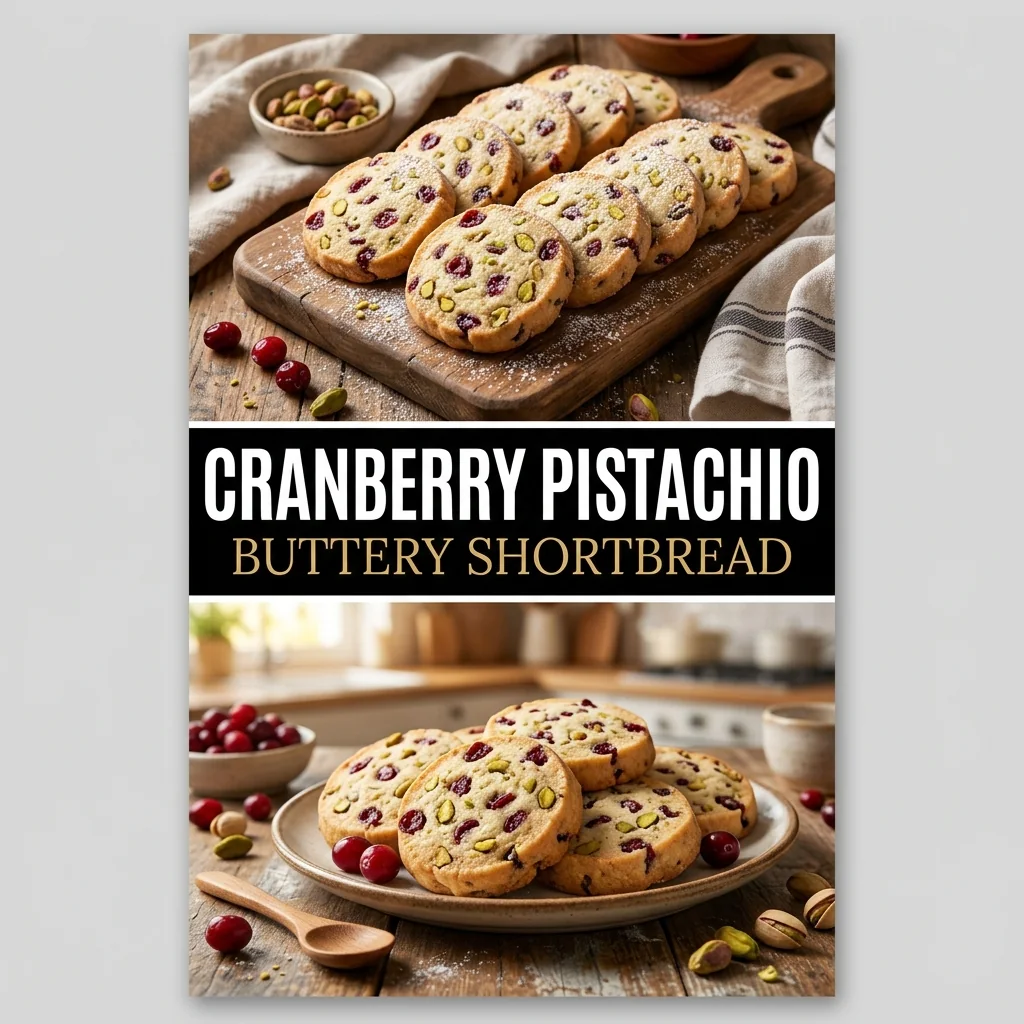
WHY MAKE IT
A little comfort, a lot of flavor.
Originating from Brittany, a coastal region of northwest France celebrated for its world-class dairy and sea salt harvesting, sablés bretons are the quintessential expression of butter-centric pastry. These cookies are renowned for their crumbly, sandy texture—a hallmark achieved by coating flour proteins in rich fat before gluten can develop. Unlike sweet American sugar cookies, authentic French butter cookies feature a pronounced salinity that accentuates the sweet cream profile of the dough. The golden egg wash finish, scored with an artisanal fork-tine crosshatch, gives each cookie a polished bistro appearance. When baked gently, they yield a firm outer snap that dissolves into a delicate, melt-in-the-mouth crumb.
The Importance of European Butter
European-style butter is cultured and churned to an 82 to 85 percent butterfat standard, whereas standard domestic butter typically contains 80 percent butterfat with more water. In shortbread doughs, water activates gluten development in wheat flour, producing chewiness and toughness. High-fat European butter coats flour granules completely, physically inhibiting gluten strands from linking. This produces the tender, friable, sandy texture that defines authentic French sablés. Using standard salted table butter will yield a spread-prone cookie lacking rich mouthfeel.
Egg Yolks as the Sole Binder
Unlike drop cookies that rely on whole eggs, classic sablé dough uses only egg yolks. Egg whites contain roughly 88 percent water and strong albumin proteins that create chew and rise. Yolks, conversely, are natural fat-in-water emulsions packed with lecithin. By excluding the white, the dough receives rich moisture, structure, and a deep yellow hue without the water content that triggers toughness. This keeps the final cookie delightfully tender, rich, and uniquely crumbly.
Baking rings and Dough Temperature
Because sablé dough contains high levels of butter, it must be thoroughly chilled before entering the oven. If the dough warms up, the butter will liquefy and seep onto the sheet before the starch gelatinizes, leading to thin, uneven edges. For perfectly uniform bakery-style rounds, French pastry chefs frequently bake these sliced rounds inside individual metal tartlet rings or muffin tins to keep the edges tall, straight, and sharp while the crumb puffs lightly.
Before you start
Traditional sablés rely on French culinary tradition where the word 'sablé' refers to sand, describing their distinctive crumbly, tender texture. To maintain this texture, avoid beating excess air into the butter and sugar. Air creates a spongy, cake-like texture rather than the desired short, crumbly bite. High-fat European butter containing at least 82% butterfat is essential; standard American butter contains excess moisture that can make the cookies tough.
THE RECIPE
French Salted Butter Cookies
20 servings · 25 minutes preparation · 16 minutes cooking · 120 minutes cooling, chilling or resting
Ingredients
Step-by-step instructions
- In a stand mixer fitted with the paddle attachment or using a hand mixer, beat the softened salted butter and granulated sugar together on medium speed for 3 minutes until smooth and creamy, but not overly whipped or fluffy.
- Add 2 egg yolks and the vanilla extract to the creamed butter, beating on medium-low speed for 1 minute until completely emulsified and smooth.
- Whisk together the all-purpose flour, baking powder, and fleur de sel in a separate bowl, then add all at once to the butter mixture, pulsing or stirring on the lowest speed just until a soft dough forms with no dry flour visible.
- Transfer the soft dough onto a sheet of parchment paper, shape into a cohesive 8-inch log roughly 2 inches in diameter, roll tightly in the parchment paper, twist the ends to seal, and chill in the refrigerator for at least 2 hours until very firm.
- Preheat your oven to 325°F (163°C) and line two standard baking sheets with parchment paper.
- Whisk the remaining egg yolk with 1 teaspoon of milk in a small bowl to create an egg wash, unwrap the chilled dough log, and brush the exterior surface lightly with the wash.
- Using a sharp chef's knife, slice the cold dough log into 1/3-inch-thick rounds (about 20 slices), place them 1 1/2 inches apart on the baking sheets, brush the tops with egg wash, and score a classic crisscross hatch pattern across each top using the tines of a fork.
- Bake at 325°F (163°C) for 15 to 18 minutes, rotating the pans halfway through, until the tops are deep golden brown and the edges appear crisp; cool on the baking sheet for 10 minutes before moving to a wire rack.
Kitchen notes
Traditional sablés rely on French culinary tradition where the word 'sablé' refers to sand, describing their distinctive crumbly, tender texture. To maintain this texture, avoid beating excess air into the butter and sugar. Air creates a spongy, cake-like texture rather than the desired short, crumbly bite. High-fat European butter containing at least 82% butterfat is essential; standard American butter contains excess moisture that can make the cookies tough.
Storage & make-ahead
Store fully cooled cookies in an airtight tin at room temperature for up to 10 days. The high butter content preserves freshness and the flavor actually deepens after 24 hours. The unbaked dough log can be wrapped in parchment and plastic wrap, then frozen for up to 2 months; slice straight from frozen and add 2 minutes of bake time.
An original recipe guide inspired by themes in our Pinterest research. Recipe has not been independently kitchen-tested. AI-generated image is illustrative; your finished dish may look different.
Frequently asked questions
Can I use unsalted butter and add extra salt?
Yes, substitute 1 cup of European unsalted butter and increase the fleur de sel or fine sea salt in the dry ingredients to 3/4 teaspoon to match the savory profile of authentic salted Brittany butter.
Why did my cookies lose their fork hatch marks in the oven?
If the dough is too warm when scored or goes into the oven soft, the egg wash and scoring melt into the dough. Chill the sliced cookies on the sheet for 10 minutes before applying egg wash and scoring.
Can I roll and cut this dough with cookie cutters?
Yes. Roll the dough between two sheets of parchment paper to 1/3-inch thickness, chill until completely rigid, cut into desired shapes, and keep the cut shapes chilled right until baking to prevent spreading.